



Gynaecological surgery, laparoscopy and hysteroscopy
Operating by the least invasive route available: a few millimetres of incision, or none at all.
Three ways of looking before operating
Laparoscopy examines the abdomen through very small incisions, through which a camera and the instruments pass. It allows treatment of ovarian cysts, endometriosis, adhesions, ectopic pregnancy, fibroids and blocked tubes, with a far simpler recovery than open surgery: less pain, a shorter hospital stay, a quicker return to normal activity, and scars a few millimetres long.
Hysteroscopy, by contrast, opens nothing at all: the camera passes through the natural passages to look inside the uterine cavity. There it diagnoses and treats a polyp, a submucosal fibroid, a uterine septum or adhesions — all frequent causes of heavy periods, abnormal bleeding and failed implantation.
Colposcopy completes the examination of the cervix when a smear comes back abnormal. The cervix is examined under magnification after dyes are applied, which makes it possible to locate the suspect area and take a targeted biopsy rather than a random one.
The principle is the same in all three cases: see precisely before deciding, and open only what has to be opened. The reason for operating, the expected benefits and the risks are set out for you before any decision, and an operation can always wait as long as you need to make up your mind.
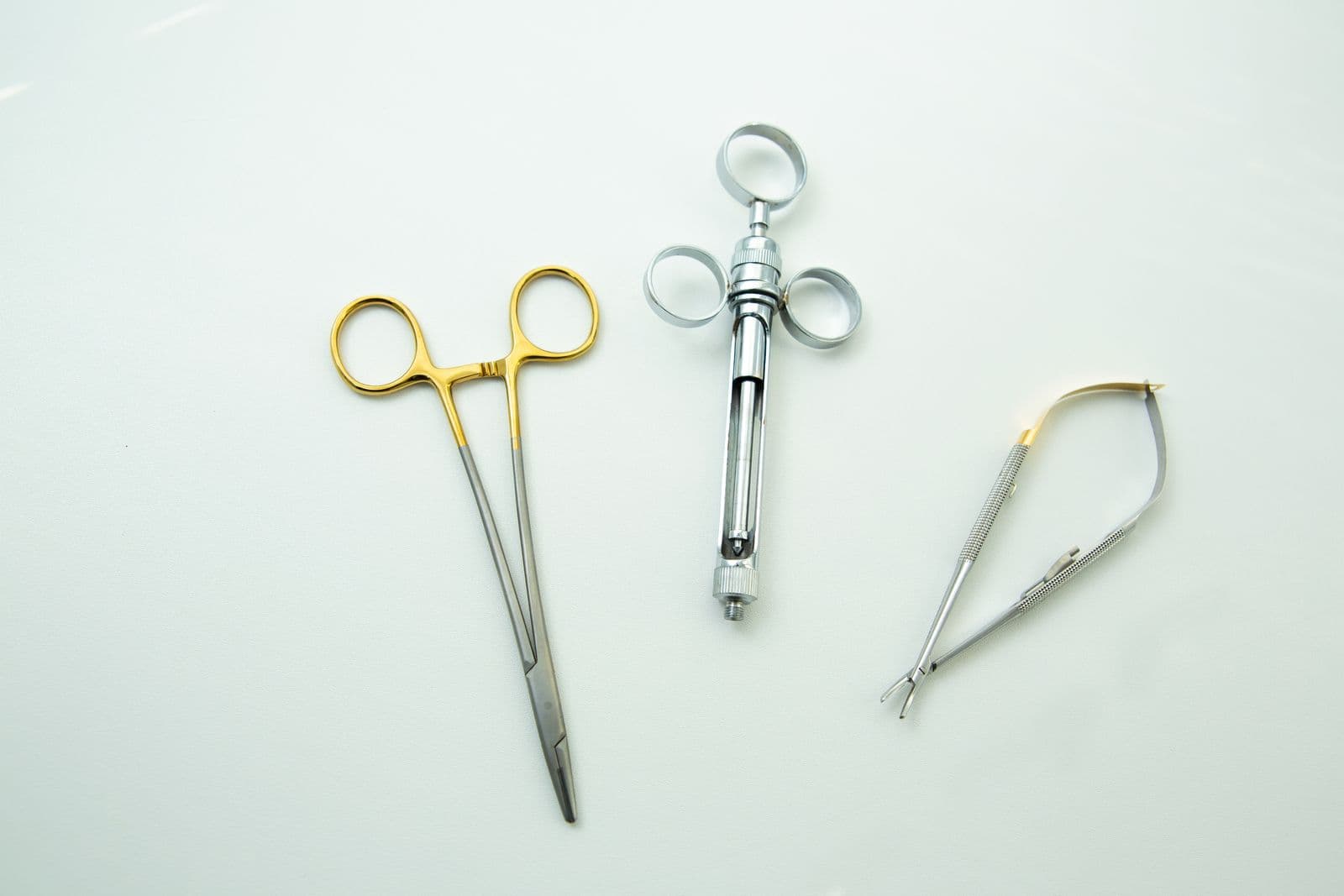
Questions about gynaecological surgery
What is the difference between laparoscopy and hysteroscopy?
Laparoscopy looks at the outside of the uterus, the ovaries and the tubes, through small incisions in the abdomen. Hysteroscopy looks inside the uterine cavity, passing through the natural passages, with no incision at all.
Does a fibroid always need surgery?
No. Many fibroids cause no symptoms at all and simply need watching. Surgery comes up for discussion when they bleed, hurt, press on a neighbouring organ, or distort the uterine cavity enough to interfere with a pregnancy.
An abnormal smear — does it mean cancer?
No. An abnormal smear signals altered cells, which in the great majority of cases are treatable pre-cancerous changes, and which sometimes resolve on their own. Colposcopy exists precisely to sort one from the other, with a targeted biopsy.
How long does recovery take?
That depends on the procedure carried out and on your situation, and it is set out for you before the operation. Shortening that time compared with open surgery is precisely the point of the minimally invasive route.
Other consultations
Gynaecological surgery often addresses a problem found here.
Need a surgical opinion?
Bring your reports and previous imaging: they save an entire consultation.